To describe traditions we often use the present passive (is/are + past participle): Christmas trees are decorated with lights. To tell a story about the past, use the past simple: regular verbs add -ed (carry → carried, watch → watched) and irregular verbs change (go → went, see → saw).
Relative words: who for people, which for things and when for times: Christmas is the time when families get together.
In 1605, a group of men wanted to blow up the Houses of Parliament in London and kill King James I. One of them, Guy Fawkes, was guarding barrels of gunpowder in a cellar under the building when the king's guards found him, on the night of 4th November. The plot failed, and people in London lit bonfires to celebrate that the king was safe.
Today, British people still remember that night on 5th November. They light bonfires, watch fireworks and sometimes burn a ‘guy’, a model of Guy Fawkes made with old clothes and newspaper.
Volver a leer el texto
In 1605, a group of men wanted to blow up the Houses of Parliament in London and kill King James I. One of them, Guy Fawkes, was guarding barrels of gunpowder in a cellar under the building when the king's guards found him, on the night of 4th November. The plot failed, and people in London lit bonfires to celebrate that the king was safe.
Today, British people still remember that night on 5th November. They light bonfires, watch fireworks and sometimes burn a ‘guy’, a model of Guy Fawkes made with old clothes and newspaper.
Libros en inglés para 6.º Primaria
-
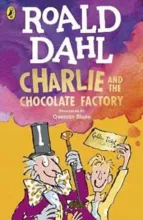 Libro en inglés
Charlie And The Chocolate Factory
Ver libro ›
-
 Libro en inglés
There S A Boy In The Girls Bathroom
Ver libro ›
-
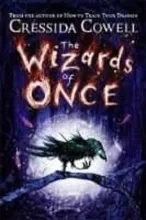 Libro en inglés
The Wizards Of Once
Ver libro ›
Enlaces de afiliado: si compras con ellos, fichas.es recibe una pequeña comisión sin que te cueste más.
Para familias y profes
- Comprender un texto sobre el origen de Bonfire Night
- Conocer otras fiestas de países de habla inglesa: Remembrance Day, Boxing Day, Burns Night, Anzac Day o Groundhog Day
- Usar el pasado simple, la pasiva en presente y los relativos who, which y when
- Ordenar las palabras de una frase sobre una tradición
- Lee el texto dos veces antes de responder
- Repasa el recuadro de gramática
- Comprueba tus respuestas al final
¿Algo no va bien en esta ficha? Avísanos
Sigue practicando


Sobre esta ficha
Esta ficha interactiva de Inglés para 6º de Primaria trabaja Festivals in English-speaking countries con actividades visuales y autocorregibles.
Incluye selección de respuestas, completar, arrastrar, memoria y trazo para reforzar el aprendizaje de forma autónoma.