To give advice we use should / shouldn't + verb: You should drink water. You shouldn't eat a lot of sweets.
Use some in affirmative sentences and any in negative sentences and questions: There is some bread. There isn't any juice. How much + uncountable (water); how many + countable (apples).
Hi, I'm Laura and I'm eleven. I try to have a healthy lifestyle. I always have breakfast before school: usually a glass of milk, some toast and a piece of fruit. At lunchtime, I eat at the school canteen. My favourite meal is fish with vegetables. I drink a lot of water, but I don't often drink fizzy drinks because they have got a lot of sugar. After school, I go swimming three times a week. At weekends, I sometimes eat pizza, but only a little. I go to bed at half past nine, because sleeping well is important too.
Volver a leer el texto
Hi, I'm Laura and I'm eleven. I try to have a healthy lifestyle. I always have breakfast before school: usually a glass of milk, some toast and a piece of fruit. At lunchtime, I eat at the school canteen. My favourite meal is fish with vegetables. I drink a lot of water, but I don't often drink fizzy drinks because they have got a lot of sugar. After school, I go swimming three times a week. At weekends, I sometimes eat pizza, but only a little. I go to bed at half past nine, because sleeping well is important too.
Libros en inglés para 6.º Primaria
-
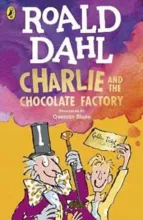 Libro en inglés
Charlie And The Chocolate Factory
Ver libro ›
-
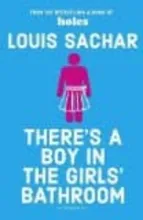 Libro en inglés
There S A Boy In The Girls Bathroom
Ver libro ›
-
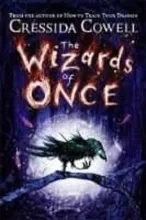 Libro en inglés
The Wizards Of Once
Ver libro ›
Enlaces de afiliado: si compras con ellos, fichas.es recibe una pequeña comisión sin que te cueste más.
Para familias y profes
- Comprender un texto sobre los hábitos saludables de una niña
- Dar consejos sobre alimentación y salud con should y shouldn't
- Distinguir nombres contables e incontables y usar some, any, much y many
- Usar vocabulario de alimentación sana en contexto
- Lee el recuadro con los ejemplos
- Fíjate en si la frase es afirmativa, negativa o pregunta
- Comprueba cada ejercicio antes de pasar al siguiente
¿Algo no va bien en esta ficha? Avísanos
Sigue practicando

Sobre esta ficha
Esta ficha interactiva de Inglés para 6º de Primaria trabaja Food and healthy habits con actividades visuales y autocorregibles.
Incluye selección de respuestas, completar, arrastrar, memoria y trazo para reforzar el aprendizaje de forma autónoma.