Para comparar dos animales usamos -er + than: Elephants are heavier than hippos. Para decir cuál es el mayor de todos usamos the + -est: the biggest, the tallest (big → bigger → biggest; heavy → heavier → heaviest).
Con he, she, it o un solo animal, el verbo lleva -s: A bear hibernates. Hibernate = hibernar; migrate = migrar; endangered = en peligro de extinción.
The Iberian lynx is a wild cat that lives only in Spain and Portugal. Its habitat is the Mediterranean forest and scrubland, where there are lots of rabbits. Rabbits are its main food: an adult lynx eats about one rabbit every day.
In 2002, there were fewer than 100 Iberian lynxes in the wild. People destroyed a lot of their habitat, many rabbits died of diseases and lots of lynxes were killed by cars on the roads.
Then scientists started to breed lynxes in special centres and release them into protected areas. Engineers built tunnels under some roads, so the lynxes can cross safely. Today there are more than 2,000 lynxes. The Iberian lynx is not endangered now, but it is still vulnerable and needs our help.
Volver a leer el texto
The Iberian lynx is a wild cat that lives only in Spain and Portugal. Its habitat is the Mediterranean forest and scrubland, where there are lots of rabbits. Rabbits are its main food: an adult lynx eats about one rabbit every day.
In 2002, there were fewer than 100 Iberian lynxes in the wild. People destroyed a lot of their habitat, many rabbits died of diseases and lots of lynxes were killed by cars on the roads.
Then scientists started to breed lynxes in special centres and release them into protected areas. Engineers built tunnels under some roads, so the lynxes can cross safely. Today there are more than 2,000 lynxes. The Iberian lynx is not endangered now, but it is still vulnerable and needs our help.
Para seguir con «animals» en casa
-
 Libro en inglés
Re-zoom
Ver libro ›
-
 Libro en inglés
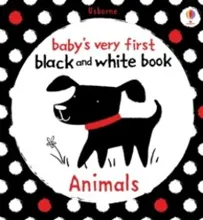
Babys Very First Black And White Animals
Ver libro ›
-
 Libro en inglés
Aninal Farm
Ver libro ›
Enlaces de afiliado: si compras con ellos, fichas.es recibe una pequeña comisión sin que te cueste más.
Para familias y profes
- Leer un texto en inglés sobre el lince ibérico, su hábitat y su protección
- Usar comparativos y superlativos para comparar animales: heavier, the biggest
- Conocer vocabulario sobre la vida animal: endangered, predator, prey, hibernate, migrate
- Ordenar las palabras de una frase sobre un problema ambiental
- Lee el texto dos veces antes de responder
- Repasa el recuadro de comparativos y superlativos
- Comprueba tus respuestas al final
¿Algo no va bien en esta ficha? Avísanos
Sigue practicando

Sobre esta ficha
Esta ficha interactiva de Inglés para 6º de Primaria trabaja Animals and habitats con actividades visuales y autocorregibles.
Incluye selección de respuestas, completar, arrastrar, memoria y trazo para reforzar el aprendizaje de forma autónoma.