Para decir con qué frecuencia hacemos las tareas usamos always, usually, sometimes y never, delante del verbo: I always make my bed. She never irons her clothes. Para las obligaciones usamos have to, y has to con he y she: I have to tidy my room. My brother has to take out the rubbish.
There are five people in the Wilson family, and everybody helps at home. Mum usually cooks dinner, and Dad always does the washing-up after dinner. Emma is eleven. She has to make her bed every morning, and she sometimes waters the plants. Her brother Jack takes out the rubbish on Mondays and Thursdays. He hates ironing, so he never irons his clothes! Grandma lives with them too. She feeds the cat every day.
Volver a leer el texto
There are five people in the Wilson family, and everybody helps at home. Mum usually cooks dinner, and Dad always does the washing-up after dinner. Emma is eleven. She has to make her bed every morning, and she sometimes waters the plants. Her brother Jack takes out the rubbish on Mondays and Thursdays. He hates ironing, so he never irons his clothes! Grandma lives with them too. She feeds the cat every day.
Libros en inglés para 5.º Primaria
-
 Libro en inglés
Charlie And The Chocolate Factory
Ver libro ›
-
 Libro en inglés
There S A Boy In The Girls Bathroom
Ver libro ›
-
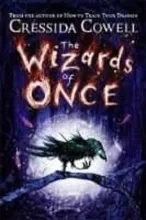 Libro en inglés
The Wizards Of Once
Ver libro ›
Enlaces de afiliado: si compras con ellos, fichas.es recibe una pequeña comisión sin que te cueste más.
Para familias y profes
- Aprender en inglés el vocabulario de las tareas de casa
- Usar los adverbios de frecuencia always, usually, sometimes y never
- Expresar obligaciones con have to y has to
- Comprender un texto sobre cómo se reparte una familia las tareas
- Lee la regla y los ejemplos
- Recuerda: el adverbio va delante del verbo
- Comprueba cada ejercicio antes de pasar al siguiente
¿Algo no va bien en esta ficha? Avísanos
Sigue practicando


Sobre esta ficha
Esta ficha interactiva de Inglés para 5º de Primaria trabaja House chores con actividades visuales y autocorregibles.
Incluye selección de respuestas, completar, arrastrar, memoria y trazo para reforzar el aprendizaje de forma autónoma.