Un email informal tiene estas partes: el asunto (Subject), que dice de qué trata; el saludo (Hi Tom,); el cuerpo, con frases unidas con and, but y because; la despedida (Write back soon! Best wishes, Love,) y tu nombre.
A un profesor o a alguien que no conoces bien, empieza con Dear: Dear Mrs Brown,
Subject: Hello from Bristol!
Hi Carmen,
How are you? My name is Oliver and I'm ten years old. I'm your new penfriend! I live in Bristol, a city in the south-west of England, with my mum, my dad and my little sister, Amy.
I love animals and I've got a rabbit called Snowy. Last Saturday I went to the zoo with my class and I saw two baby gorillas. They were so funny!
What about you? Have you got any pets? Please tell me about your town.
Write back soon!
Best wishes,
Oliver
Volver a leer el texto
Subject: Hello from Bristol!
Hi Carmen,
How are you? My name is Oliver and I'm ten years old. I'm your new penfriend! I live in Bristol, a city in the south-west of England, with my mum, my dad and my little sister, Amy.
I love animals and I've got a rabbit called Snowy. Last Saturday I went to the zoo with my class and I saw two baby gorillas. They were so funny!
What about you? Have you got any pets? Please tell me about your town.
Write back soon!
Best wishes,
Oliver
Libros en inglés para 5.º Primaria
-
 Libro en inglés
Charlie And The Chocolate Factory
Ver libro ›
-
 Libro en inglés
There S A Boy In The Girls Bathroom
Ver libro ›
-
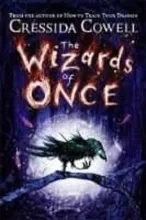 Libro en inglés
The Wizards Of Once
Ver libro ›
Enlaces de afiliado: si compras con ellos, fichas.es recibe una pequeña comisión sin que te cueste más.
Para familias y profes
- Reconocer las partes de un email informal: asunto, saludo, cuerpo y despedida
- Elegir el saludo y la despedida adecuados según a quién escribimos
- Unir ideas con and, but y because
- Comprender un email de un amigo por correspondencia
- Lee la regla con las partes del email
- Fíjate en cómo empieza y termina el email de Oliver
- Comprueba cada ejercicio antes de pasar al siguiente
¿Algo no va bien en esta ficha? Avísanos
Sigue practicando


Sobre esta ficha
Esta ficha interactiva de Inglés para 5º de Primaria trabaja Writing a simple email con actividades visuales y autocorregibles.
Incluye selección de respuestas, completar, arrastrar, memoria y trazo para reforzar el aprendizaje de forma autónoma.